
Are We Ready For This Class War?
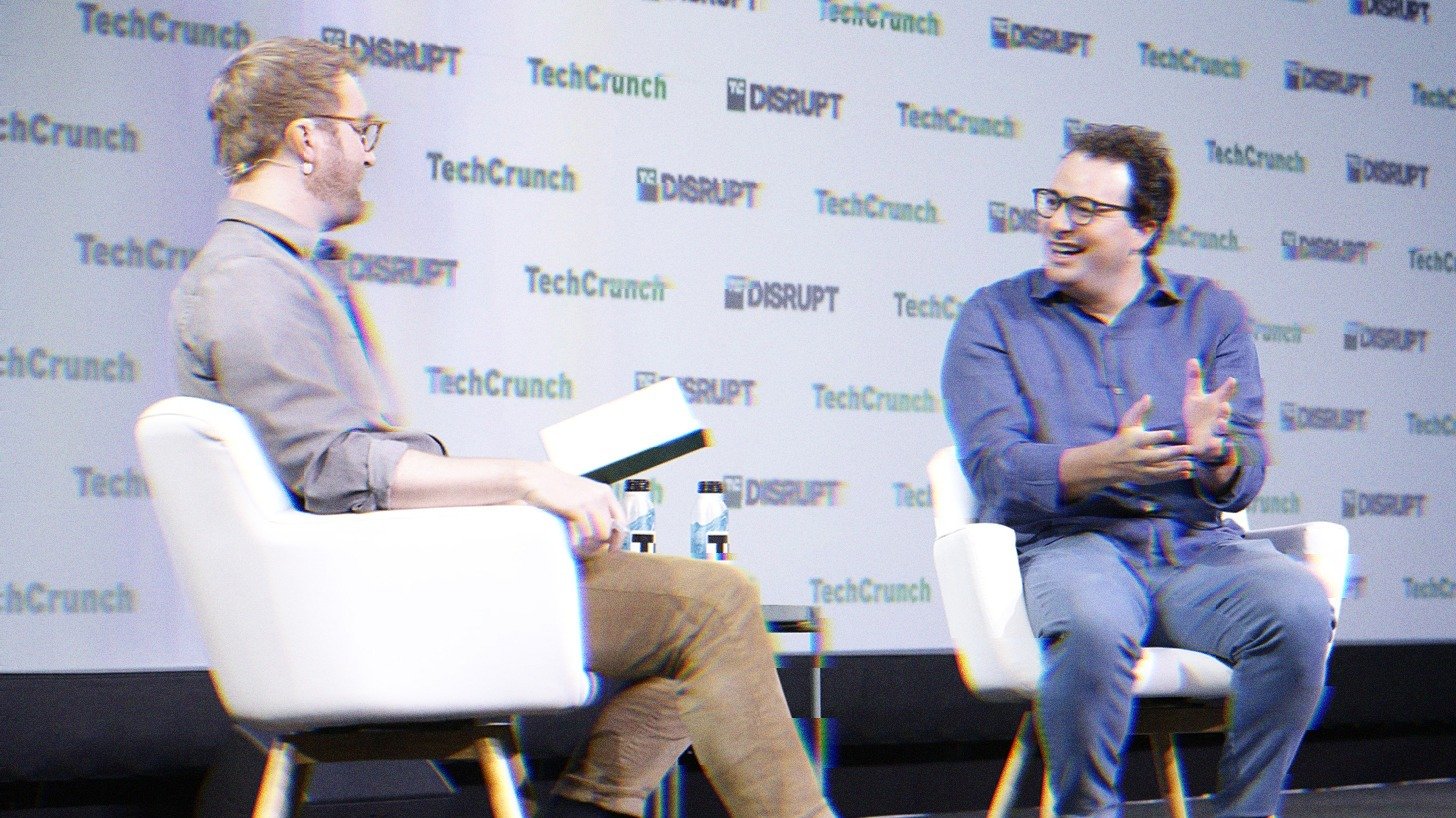 Image Description: Dario Amodei speaking on stage to a moderator at TechCrunch Disrupt in 2023.
This essay appeared in the Feb. 12, 2026 edition of UNFTR’s premium newsletter. Become a UNFTR member to receive our bonus newsletter each week and for other perks.
From crypto to AI and prediction markets—a vastly under-discussed threat to society—watching the ballyhooed and wildly expensive commercials during this Super Bowl felt like an out-of-body experience. Or, more aptly, as if the virtual world of “Cyberpunk 2077” came to life. Sure, we’re prone to overusing terms like “dystopia” or “existential,” but I can’t recall an experience in which the ads blasting from our screens felt more like a mirror than a showcase of consumerism’s seemingly limitless reach.
That the roughly 50 minutes of commercials for the year’s most-watched spectacle felt so familiar shouldn’t be a surprise. The economy for more than a year has effectively been propped up by AI and the data center cottage industry that powers it. Prediction markets now have deals with news outlets—further blurring the lines between journalism and gambling—and, notably, with one of the most famous professional basketball players in the world (not to mention a new grocery store in New York City). As for crypto, Trump during his last presidential campaign vowed to turn the United States into the crypto capital of the world and, in attempting to accomplish that feat, has invited allegations of corruption and personal enrichment for him and his family.
This is the brave new world our tech oligarchs have given us. AI has “exposed” 42% of all jobs in the U.S., data centers are transforming communities, and so-called prediction markets make it easy for you to bet on which film will win the Academy Award or whether America will declare war on Iran (FFS).
Taken together, it’s not hyperbole to think we’ve entered a new and potentially more visceral class war. It’s the billionaires—maybe trillionaires?—against the rest of us.
For these ostensible AI oracles, the constant barrage of warnings about jobs, societal decay, and financial implications effectively creates a self-fulfilling prophecy. CEOs heed these supposed warnings and get anxious about hiring humans to do human jobs, humans they may not need in a few months or years because generative AI can fulfill those responsibilities.
Indeed, this is a war decades in the making, from the dismantling of organized labor, Reagan’s deregulation movement, Clinton’s privatization fetish, the hollowing out of manufacturing, redistribution of wealth in the form of tax breaks for the ultra-wealthy, the bailing out of Wall Street (and failing to hold anyone accountable for their financial crimes), to the crowning of Silicon Valley overlords as gods, whose products would be part and parcel of an ever-burgeoning surveillance state.
As we know, nothing compares to capitalism’s antibodies, which stamped out the Occupy and Bernie Sanders movements with ruthless efficiency—both of which threatened to expose the con that is the free market.
If inequality has persisted for decades, what makes this any different?
Load up your favorite news site or social media platform on any day and you’ll see headlines like this: “AI insiders are sounding the alarm.” And some variation of a statement like this: “Humanity is about to be handed almost unimaginable power, and it is deeply unclear whether our social, political, and technological systems possess the maturity to wield it.”
There are a few ways to look at the messaging coming from deep inside AI: We can appreciate their apparent honesty, allowing many of us to prepare for seismic changes ahead, or perhaps be more clear-eyed about their intentions. Recall when social media oligarchs promised their tech would increase community and bring people together, when the reality was they were building data-mining operations that supercharge marketing personalization. For these ostensible AI oracles, the constant barrage of warnings about jobs, societal decay, and financial implications effectively creates a self-fulfilling prophecy. CEOs heed these supposed warnings and get anxious about hiring humans to do human jobs, humans they may not need in a few months or years because generative AI can fulfill those responsibilities. So, instead of bringing on more workers, they build larger AI budgets and buy subscriptions to services that promise efficiencies and improved outputs. While it feels like a breath of fresh air that AI enthusiasts and oligarchs are being transparent about the tech they’re building, the implications of their statements are far-reaching: They get goodwill from the public, free advertisements as media outlets report and aggregate their statements, and scare leaders of companies into investing in AI and not people. Is AI itself to blame for job losses or is it the seemingly benevolent oligarch manufacturing change?
Yes, growing up in the War on Terror and Great Recession era has made me deeply cynical. The way I look at it, history is the greatest predictor of the future, and just as we became addicted to the platforms that have deepened our collective anxiety and pushed us further apart—while enriching their CEOs and shareholders—I can’t help but fear something far more pernicious is on the horizon.
And alas, you can bet on that.
Image Source
- TechCrunch, CC BY 2.0, via Wikimedia Commons. Changes were made.
 Rashed Mian
Rashed Mian is the managing editor of the award-winning News Beat podcast and co-founder of the newly launched Free The Press (FTP) Substack newsletter. Throughout his career, he has reported on a wide range of issues, with a particular focus on civil liberties, systemic injustice and U.S. hegemony. You can find Rashed on X @rashedmian and on Bluesky @rashedmian.bsky.social.