
Demand Destruction and the “Resilience Paradox.”
Donald Trump has already destroyed much of the global economy, but the worst has yet to hit the United States. This “resilience paradox” is the result of early stage demand destruction, something economists fear and policy makers have no defense against. There are multiple factors holding the U.S. economy together in a way that other countries cannot manage. And most of the damage is baked in and irreversible. Thus far, one of the more powerful dynamics has been the market’s hesitation to bet long or short on price movement, because of the fluid and unpredictable nature of Trump’s on-again/off-again announcements regarding the war in Iran and the closure of the Strait of Hormuz. We dissect it all and lay out the scenarios ahead and what it means for the American consumer.
Show Notes
Clips
Episode Timestamp + Link | Clip Link
- 00:00:38 | The Hill: Trump’s sharp Iran reversal: Teases deal & cancels strikes after Kharg Island threats
Resources
- RSMUS: American demand destruction: Seven channels that compound to threaten U.S. growth
- CarEdge: The Auto Loan Crisis Just Hit a 32-Year Record: What It Means for Car Prices
- McKinsey: An update on US consumer sentiment: Gloomier outlook ahead of sunnier days
- Bloomberg: Why Oil’s Not at $200 After the Biggest Supply Shock in History
- Autoweek: U.S. Auto Sales On Track for 2.6 Percent Drop in 2026 as War and Tariffs Cloud Outlook
- BLS: CPI Data
- MacroMicro: US - Housing Price Index vs. Rent Inflation
- BLS: Real Earnings Summary - 2026 M05 Results
Image Source
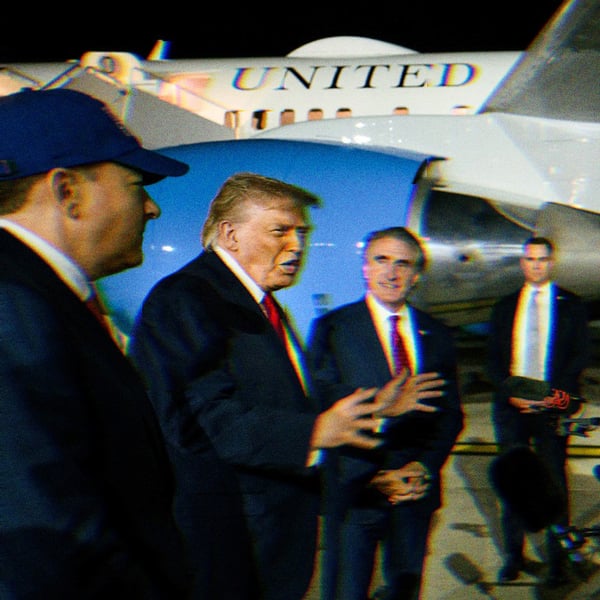
- The White House, Public domain, via Wikimedia Commons. Changes were made.
UNFTR Quick Links