
The Art of Trumpflation.
The February Producer Price Index (PPI) data release came in way hotter than expected, exceeding consensus expectations by nearly double. This is on top of an already hot January report, which signifies that goods and services inflation in the pipeline is very much a trend and not an isolated event. PPI typically foreshadows consumer inflation—where the public really begins to feel the pain—by about two to three months. And these numbers don’t include the impact of the war in Iran and the unbelievable spike in energy costs. Today we break down the nature of inflation shocks, why this differs from the dual oil shocks of the 1970s, but how it has already produced the same stagflationary result.
Show Notes
Resources
- U.S. Bureau of Labor Statistics: Producer Price Index News Release summary
- Trading Economics: United States Producer Price Inflation MoM
- Wolf Street: Core PCE Inflation Hits 3.1%, Worst in 2 Years, in Unique Twist Blows way past CPI Inflation. Driven by Core Services
- Morningstar: Inflation Set to Rise in 2026 as Tariff Costs Hit Consumers
- KPMG: Headline masks lingering inflation
- CNBC: $100 oil? Prolonged Hormuz closure could spark a 1970s-style energy shock
- Yahoo Finance: Oil at the Edge: Markets brace for the largest supply shock in decades: Oil & Gas 360
- Investopedia: Understanding Hubbert's Peak Theory and Global Oil Production
- Bloomberg Law: Morgan Stanley Sees Private Credit Default Rates Reaching 8% (2)
- Business Insider: Morgan Stanley says AI disruption of software will send private credit defaults surging
UNFTR Resources
Image Source
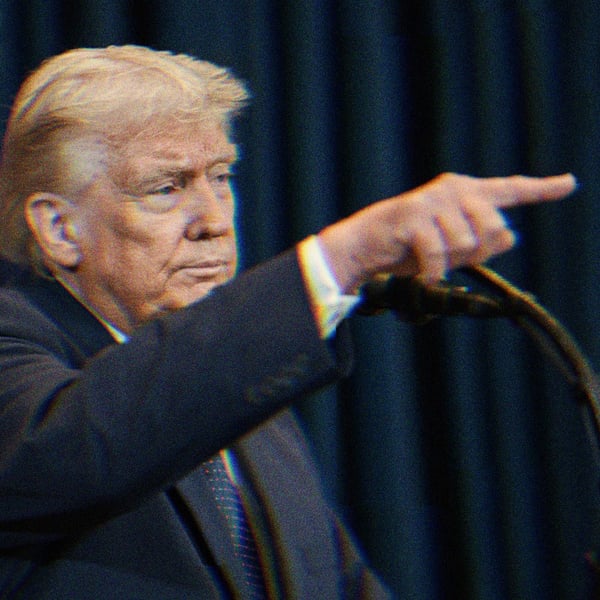
- The White House, Public domain, via Wikimedia Commons. Changes were made.
UNFTR Quick Links